
The Butter Comes First: French Butter and Warm Sourdough at Bisou
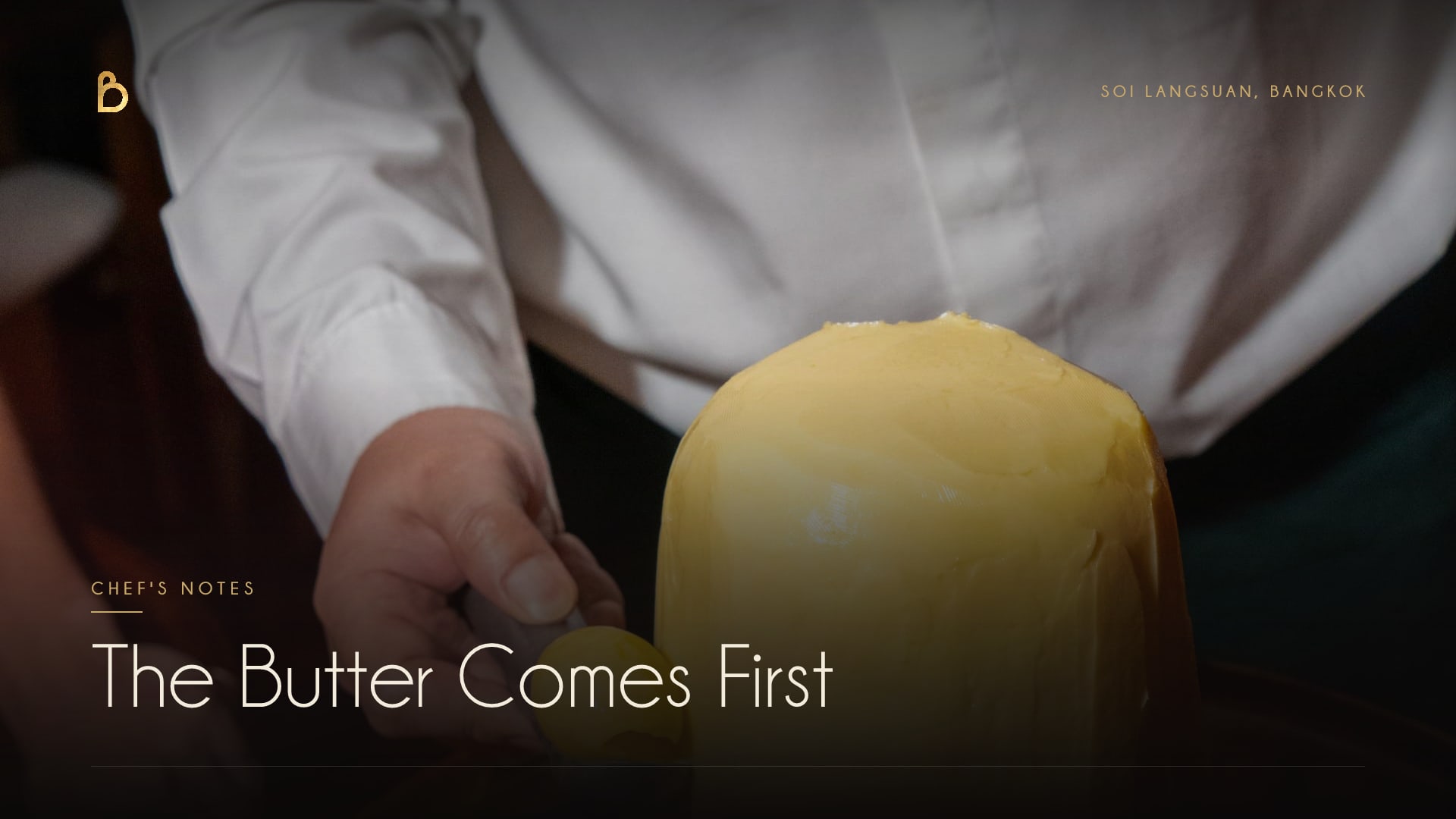
Every table at Bisou gets a whole block of French butter from Les Frères Marchand in Nancy, a curl scooped off at the table, with warm sourdough. Here is why we do it that way.
In short
Bisou Bangkok serves salted French butter from Les Frères Marchand, a house of maîtres fromagers-affineurs in Nancy founded in 1880. It arrives as a whole block on a wooden board under a glass cloche, a curl is scooped off at the table with a warm spoon, and it comes with warm sourdough to every table, at no charge.
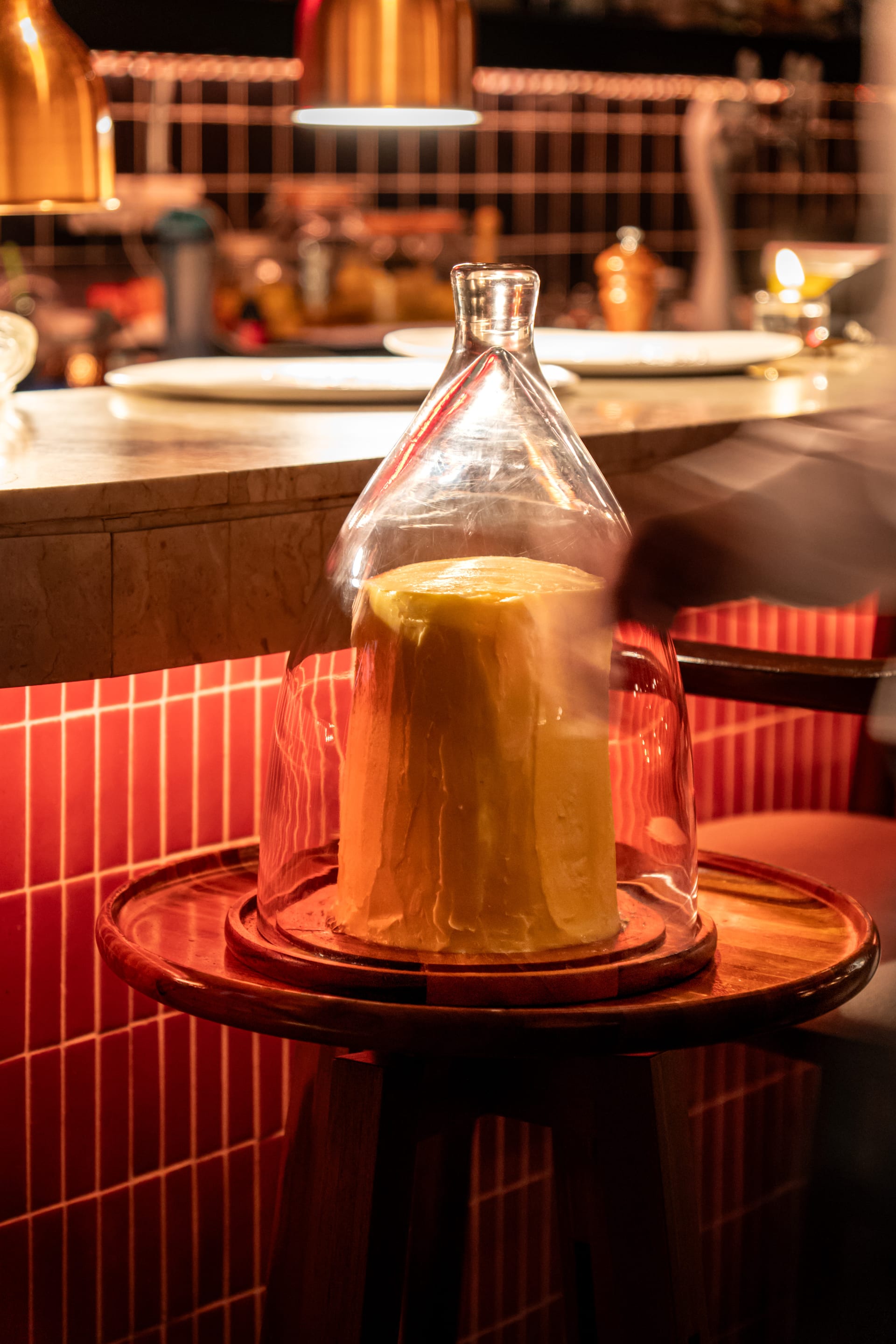
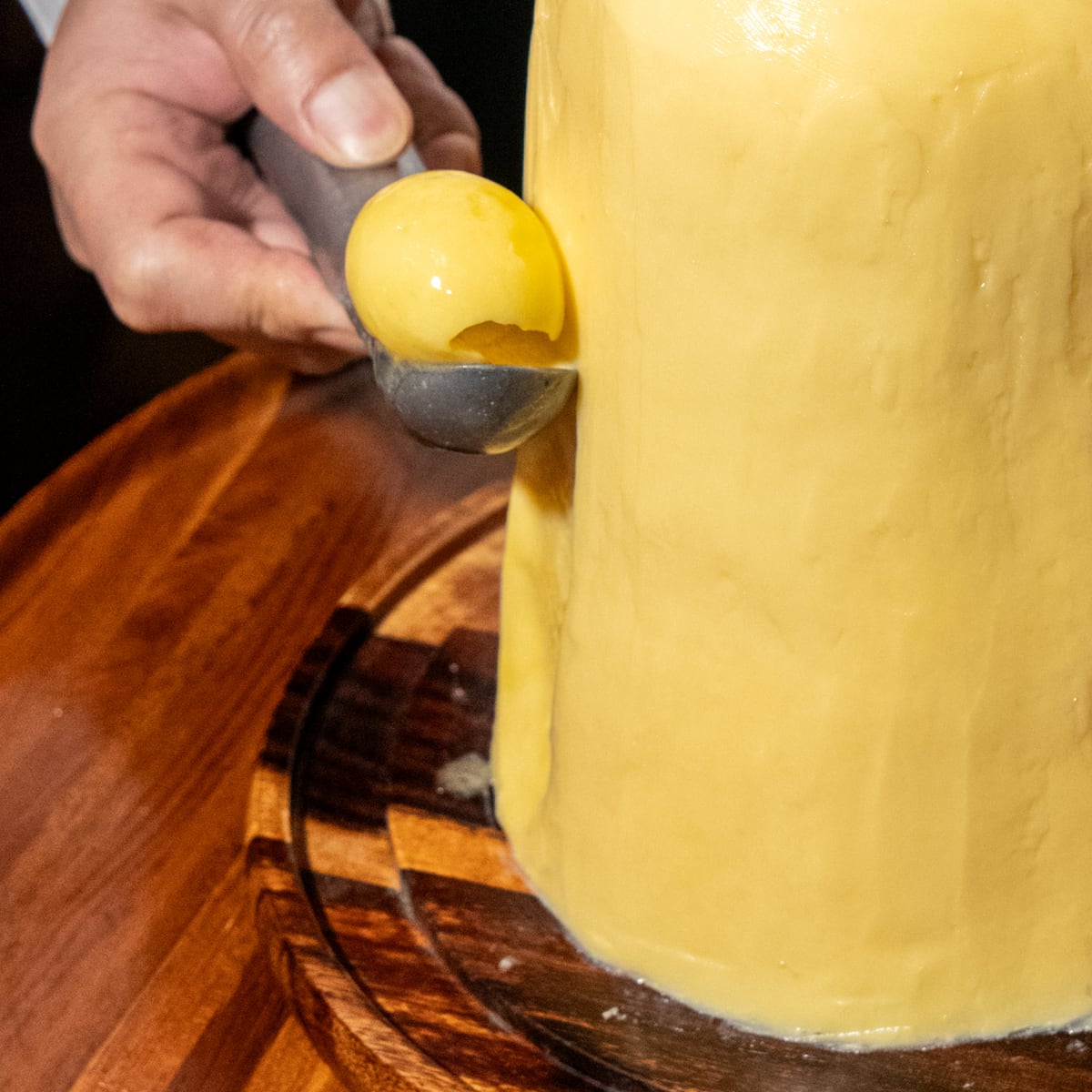
Book a tableThe first thing that reaches your table at Bisou is a block of butter. Not a foil-wrapped square, not a ramekin: a whole block, on a wooden board, under a glass cloche, with a curl scooped off in front of you with a warm spoon. The butter is French, salted, and comes from Les Frères Marchand, a house of maîtres fromagers-affineurs in Nancy founded in 1880. It arrives with warm sourdough, it goes to every table, and it is not on the bill.
We do it this way because bread and butter is the first honest thing a kitchen says about itself. It is served before anyone has ordered, so there is nothing to hide behind. Get it right and the rest of dinner is easier.
Where the butter comes from
Les Frères Marchand are cheese people, and that is the point.
They are maîtres fromagers-affineurs based in Nancy, in Lorraine. The family were farmers at Clémery, in Meurthe-et-Moselle, and took a stall at Nancy's central market in 1880. They have been there ever since. According to the City of Nancy, the house ages some 450 kinds of cheese a year and works with around 200 small French and European producers, with ageing cellars in the city.
An affineur is not a producer. The work is selection and maturation: choosing from small makers, then ageing each thing in the right cellar, at the right humidity, for the right number of weeks. It is a trade of judgement rather than manufacture, and a house that has been judging cheese for 146 years tends to judge butter well too. The butter we serve is sold under their own label.
Their reach explains how it gets here at all. The City of Nancy's profile of Patrice Marchand reports export hubs in Hong Kong, Thailand and Dubai, and the same house's goods reach Thailand's professional kitchens through Répertoire Culinaire, a fine-food importer based in Bangkok that supplies restaurants and hotels.
What makes French butter different
Fat, mostly, and what happens to the cream before it is churned.
Butter is made by churning cream until it inverts: the fat globules crash together into granules, the buttermilk drains away, and the granules are then worked into one mass. Salt, when it is used, goes in during that working. The European legal floor for butter is 80 percent butterfat. French butter is customarily made at 82, and that difference of two points is what you feel rather than read, a butter that coats the bread instead of sitting on it.
One thing worth clearing up, because it is on a lot of menus. Beurre de baratte is not a legal category. CNIEL, the French dairy interprofession, calls it a mention non officielle, and the DGCCRF treats it as an allégation valorisante, a marketing claim rather than a protected term. It usually signals slow churning in a rotating churn, which is a real difference in texture, but nobody polices the phrase. France does have three protected butters, carrying AOP status, among them Beurre d'Isigny from Normandy.
We do not put any of those words on our butter, because our supplier does not. It is salted French butter from a Nancy house that has been choosing dairy for a century and a half. That is enough.
Why it is served from a block, at the table
Because butter has a temperature, and a wrapped portion from the fridge is never at it.
Cold butter tears warm bread. Butter left out too long goes greasy and loses its edge. A whole block, kept under glass and tempered for service, sits in the narrow band where it is soft enough to spread and firm enough to hold a shape. The curl is scooped in front of you with a warmed spoon, which is why it comes off in one clean shell rather than a smear.
There is a second reason, and it is not technical. A block of butter carved at the table is a small piece of theatre that costs nothing and tells you the kitchen is paying attention. Serious rooms have done a version of this for a long time, in Paris and elsewhere. We are not claiming to have invented it. We are claiming to have refused to skip it.
The sourdough it comes with
Warm, with a crust that cracks, because that is the only bread worth this butter.
Sourdough is the right partner for a high-fat salted butter for reasons you can taste. The long fermentation builds acidity, and acidity cuts fat, so each bite resets rather than accumulating. The crust gives resistance, the open crumb holds the butter instead of letting it slide off, and the faint sourness makes the salt read as seasoning rather than salt. It arrives warm, and we send more when it goes.
What else we bring in, and what we do not
The same logic runs through the rest of the menu: a few things are worth importing, most things are not.
The caviar is Prunier, served at 30 grams with French toast, onion dip and crème fraîche, and it appears on both the Bangkok and the Phuket menus. Beyond that we are unromantic. Seafood is better bought close to home, vegetables are better bought this morning, and a French restaurant that airfreights its lettuce is solving the wrong problem.
Butter, caviar and cheese travel because they are made to. Everything else eats better for having had a shorter journey.
Bread and butter is served before anyone has ordered anything. There is nothing to hide behind.
Bisou, Soi LangsuanWhere to try it
Bisou is a modern French restaurant on Soi Langsuan, about two minutes' walk from BTS Chit Lom, listed in the MICHELIN Guide Thailand 2026 as Selected. Dinner runs nightly from 5:30 PM to 1 AM, with last food orders at midnight.
The food is plated to share, which is the same instinct as the butter: one thing in the middle, reached across. The five-course chef's sharing menu is 3,400 THB per person, à la carte runs to roughly 3,000 THB per person, and the full menu is here. The butter and the bread arrive before any of it, whatever you order, including if you order nothing but a glass at the bar.
Come for the butter, stay for the rest
A whole block of French butter, a curl scooped at your table, warm sourdough beside it. Every table, every night, no charge.
Book a tableFrequently asked questions
Where does the butter at Bisou Bangkok come from?
The butter is French, salted, and comes from Les Frères Marchand, a house of maîtres fromagers-affineurs based in Nancy since 1880. It is sold under their own label. The same house's goods reach Thailand's professional kitchens through Répertoire Culinaire, a fine-food importer in Bangkok.
Is the bread and butter free at Bisou?
Yes. A whole block of French butter and warm sourdough go to every table at no charge, whatever you order. It is not a course you add and it does not appear on the bill.
What is beurre de baratte, and is it a protected term?
Beurre de baratte means churned butter, usually slow-churned in a rotating churn. It is not a legal category in France: CNIEL calls it an unofficial mention and the DGCCRF treats it as a marketing claim. France's protected butters carry AOP status instead, among them Beurre d'Isigny from Normandy.
Why is French butter better than ordinary butter?
Mostly butterfat and handling. The European legal minimum for butter is 80 percent butterfat, while French butter is customarily made at 82 percent, which gives a richer, less watery result that coats bread rather than sitting on it. Serving it tempered rather than fridge-cold matters just as much.
Where can you eat good French butter in Bangkok?
At Bisou on Soi Langsuan it is served from a whole block at the table with warm sourdough, free with any order, two minutes from BTS Chit Lom. Bisou is listed in the MICHELIN Guide Thailand 2026 as Selected and serves dinner nightly from 5:30 PM.
b